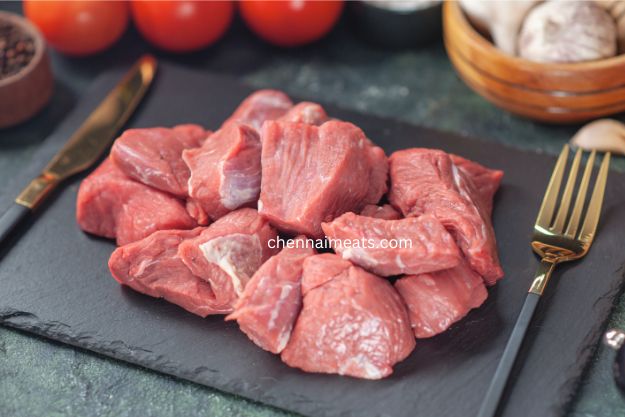
Mutton has a reputation problem. Many people assume goat meat is unhealthy or "heavy." The truth is more interesting: eaten right, mutton is one of the most nutrient-dense red meats you can eat — and in several ways it beats chicken and beef. Here's what the nutrition actually says.
Mutton nutrition facts (per 100g)
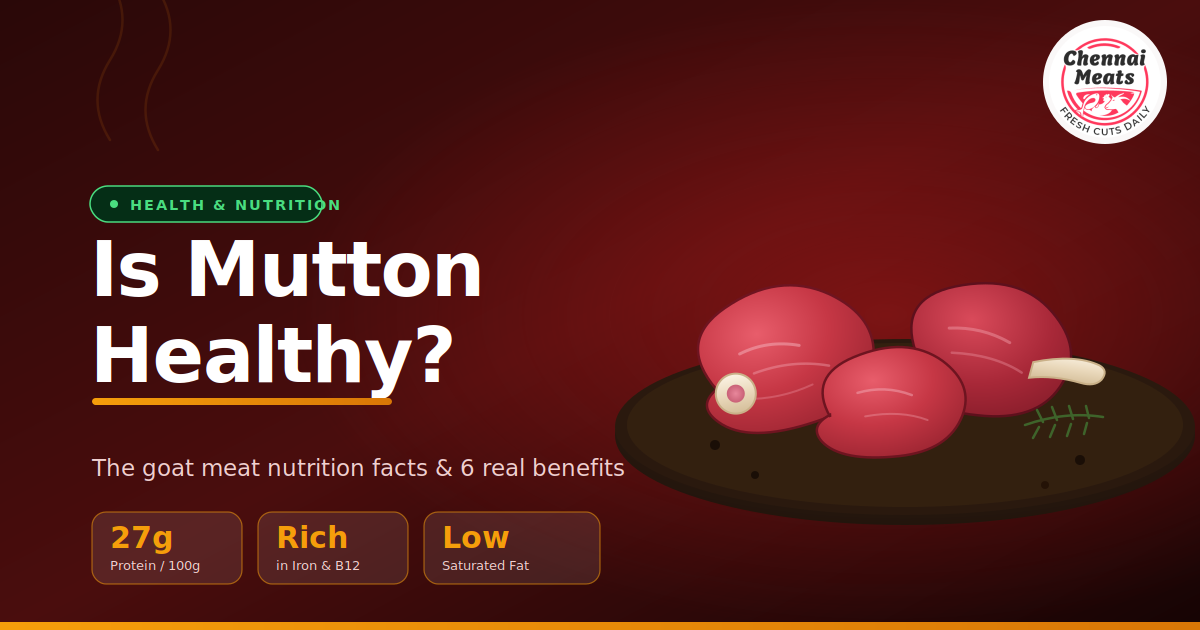
A 100g serving of goat mutton gives you roughly 27g of high-quality protein, only about 3g of fat, and around 143 calories. Compare that to beef or lamb and goat comes out leaner — it has less saturated fat than almost any other red meat while delivering the same muscle-building protein.
The 6 real health benefits of mutton
1. Excellent source of ironGoat meat is rich in heme iron — the type your body absorbs most easily. This helps prevent anaemia and keeps your energy levels up, making it especially valuable for women and growing children.
2. High protein, lower fatGram for gram, goat has less fat and fewer calories than beef, pork, or lamb, while matching them on protein. Great for muscle building without the extra saturated fat.
3. Rich in Vitamin B12Essential for nerve function, red blood cell production, and brain health. A single serving covers a big chunk of your daily B12 needs.
4. Good source of zincZinc strengthens the immune system and supports wound healing. Goat meat delivers a solid dose in every serving.
5. Lower cholesterol than other red meatsGoat has less cholesterol than beef and lamb, making it a heart-friendlier red meat choice when eaten in moderation.
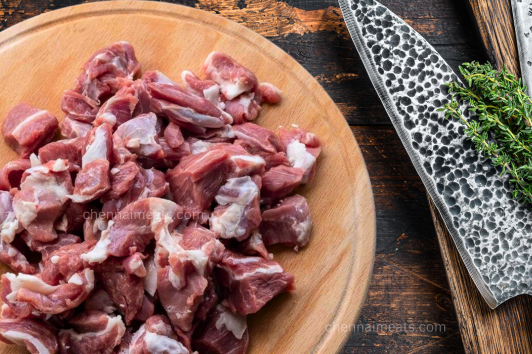
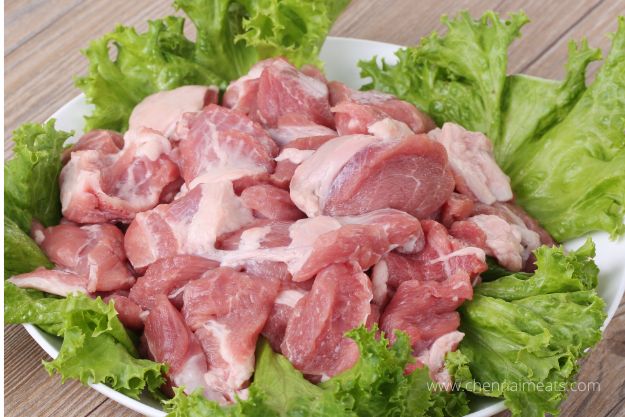
6. Naturally leaner cutsBecause goats store less fat than cattle or sheep, even flavourful cuts like curry cut and shoulder stay relatively lean.
🥩Fresh halal mutton, delivered
100% halal certified, cut fresh, delivered by 7–11 AM
Is mutton better than chicken?
Both are healthy. Chicken breast is slightly leaner, but goat mutton wins on iron, zinc, and B12 — nutrients many people are short on. If you eat a varied diet, alternating between mutton and chicken gives you the best of both. Mutton is not the "unhealthy" option people assume; it's simply richer in certain minerals.
How much mutton is healthy to eat?
Like any red meat, moderation is the key. A reasonable guide is 2-3 servings of red meat per week, with each serving around 100-150g. Cook it in a way that doesn't drown the benefits — slow-cooked curries, grills, and stews are far healthier than deep-fried preparations swimming in oil.
Order fresh halal mutton today
8 cuts, 100% halal certified, delivered before breakfast. Free delivery across Chennai.
The bottom line
Mutton is genuinely healthy when eaten in moderation and cooked well. It's a lean, iron-rich, protein-packed red meat that supports muscle, blood, and immune health. The key is freshness and quality — grass-fed, antibiotic-free goat meat like Chennai Meats' halal mutton gives you all the benefits without the additives found in mass-market meat.
Frequently asked questions
Is mutton healthy to eat?
Yes, in moderation. Goat mutton is a lean red meat that's rich in protein, iron, zinc, and Vitamin B12, with less saturated fat than beef or lamb. Aim for 2-3 servings per week.
Is mutton healthier than chicken?
Both are healthy. Chicken breast is slightly leaner, but goat mutton is richer in iron, zinc, and B12. Alternating between them gives you the best nutritional balance.
How much protein is in mutton?
About 27g of high-quality protein per 100g serving — comparable to other red meats but with less fat.
Does mutton have a lot of fat?
Goat mutton is naturally leaner than beef, pork, or lamb — around 3g of fat per 100g. Goats store less fat than cattle or sheep, so even flavourful cuts stay relatively lean.
Is Chennai Meats mutton halal and healthy?
Yes — 100% halal certified, sourced from biosecure veg-fed farms with no antibiotics or hormones, and never frozen. Fresh, clean meat with all the natural nutritional benefits.
 By Chennai Meats